The Potential of Clay Soil
That we once again begin to make use of sustainable building techniques based on reusable materials has never been more relevant, as the most difficult and pressing challenge of our time is the climate crisis.
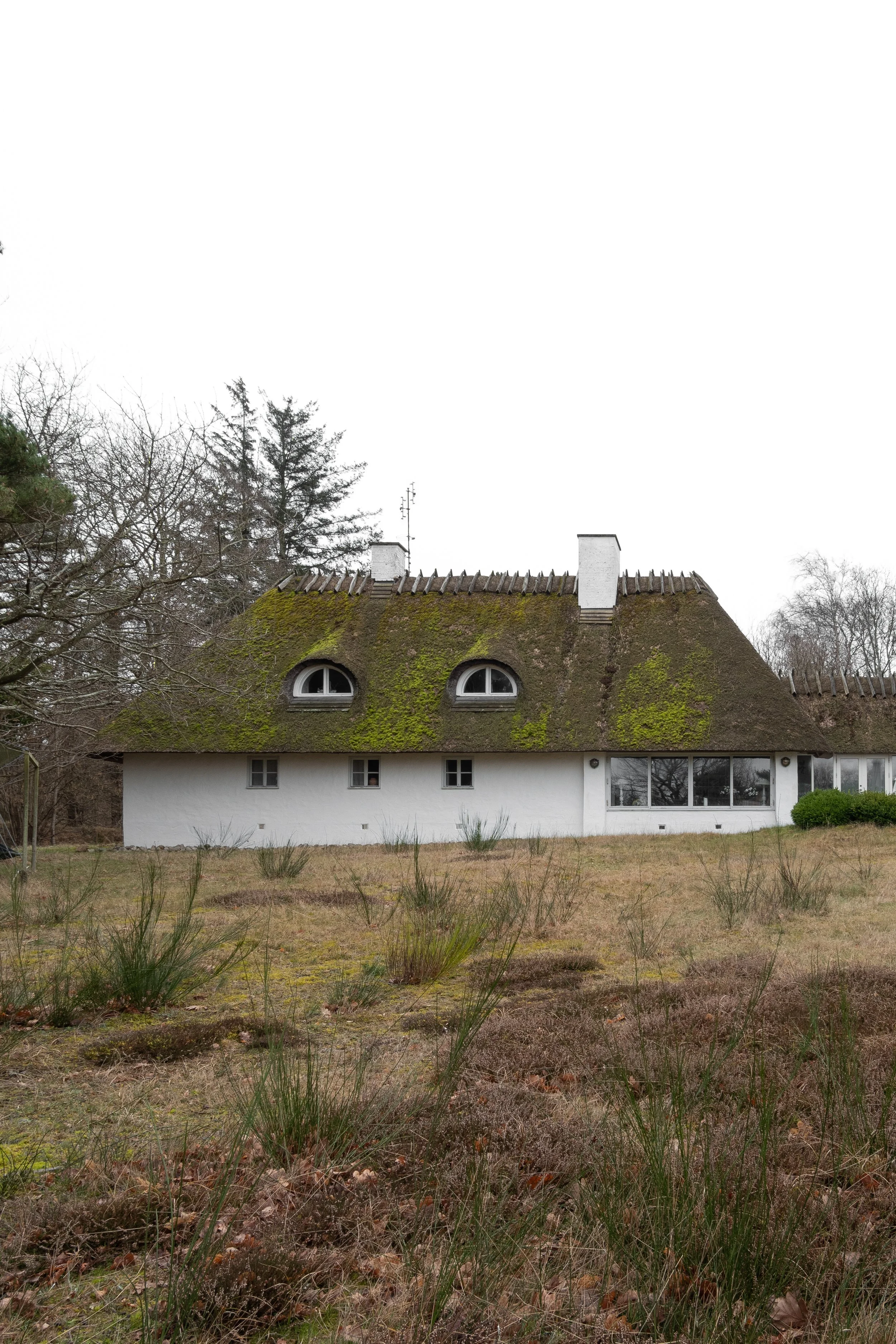
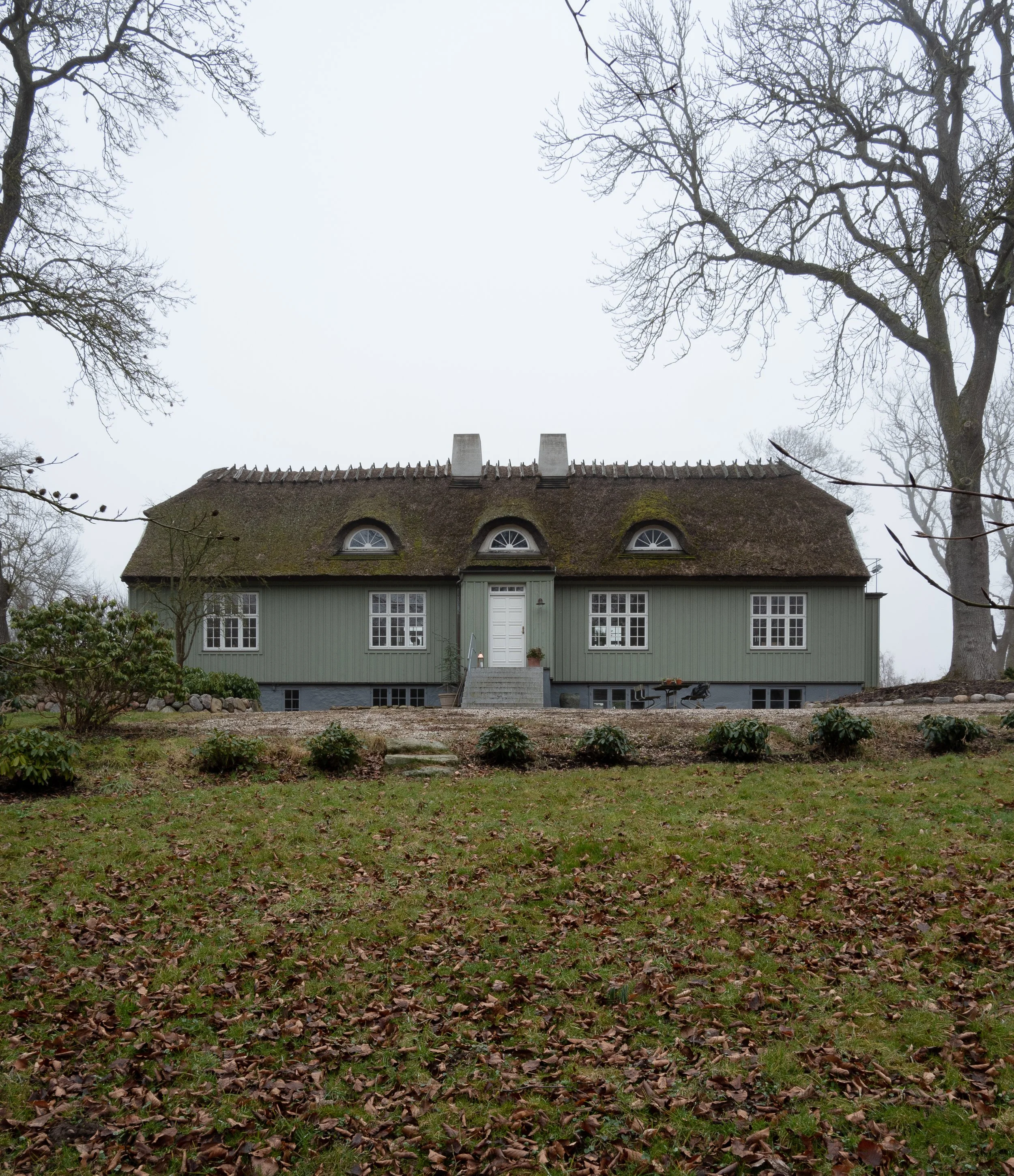
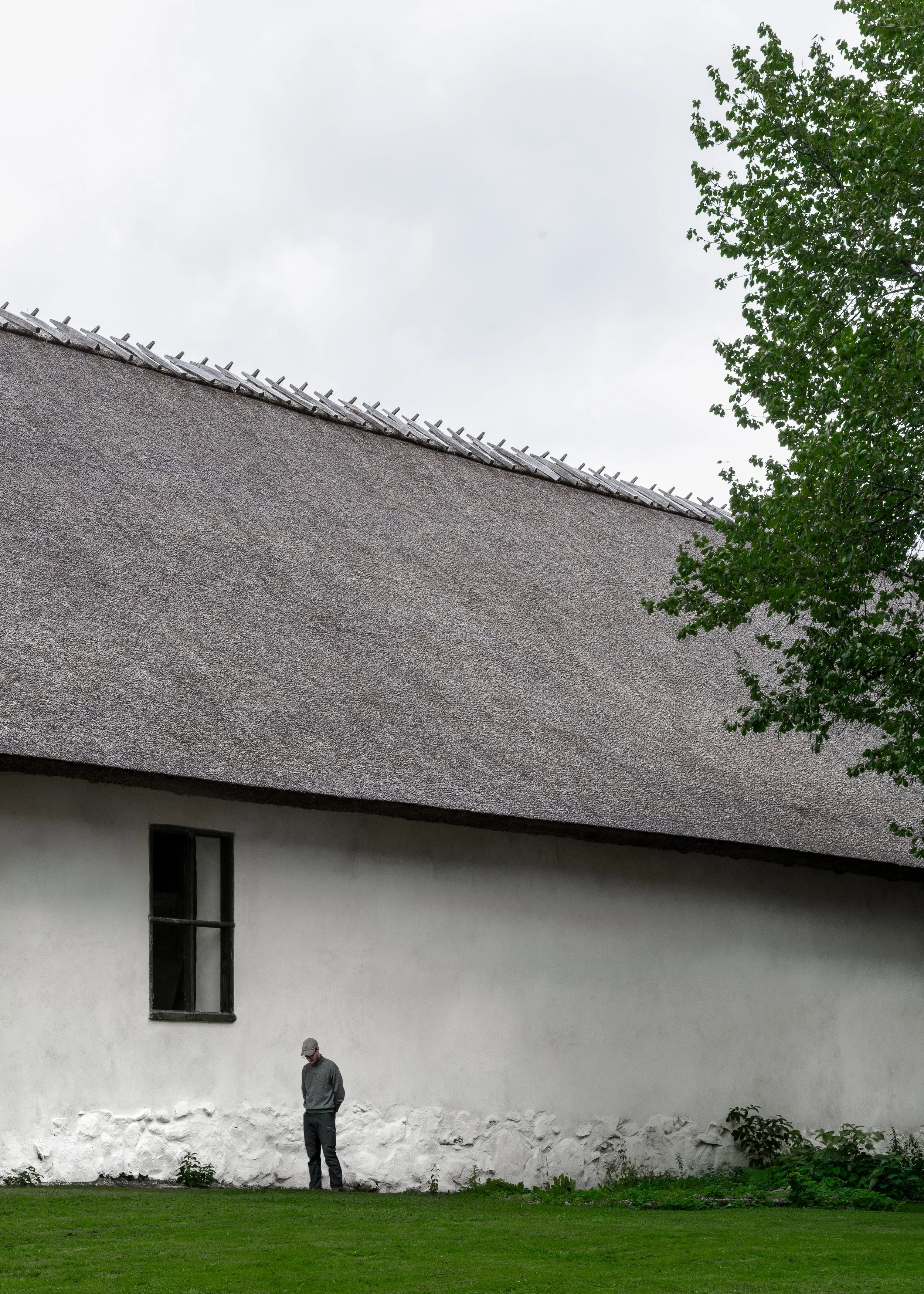
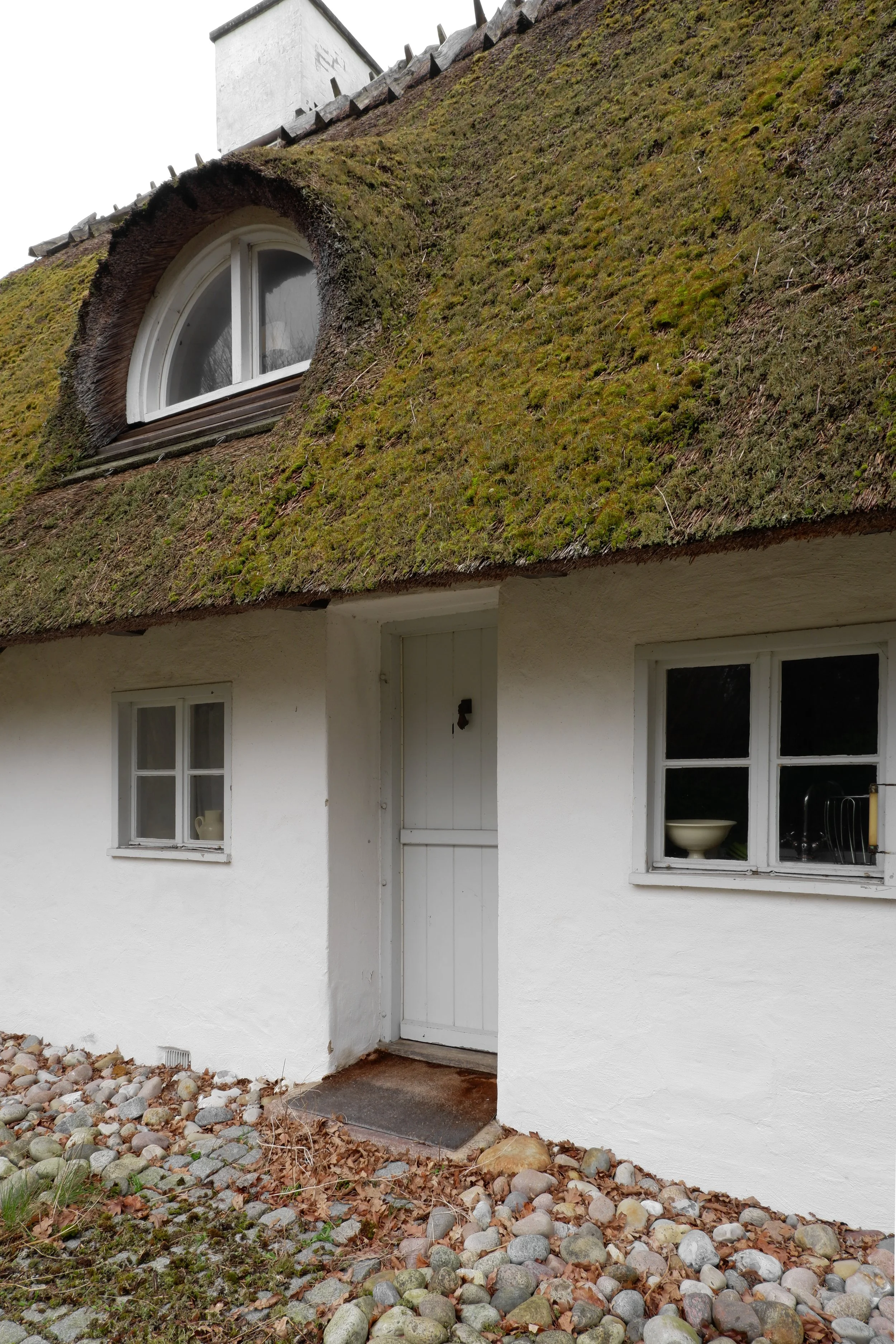
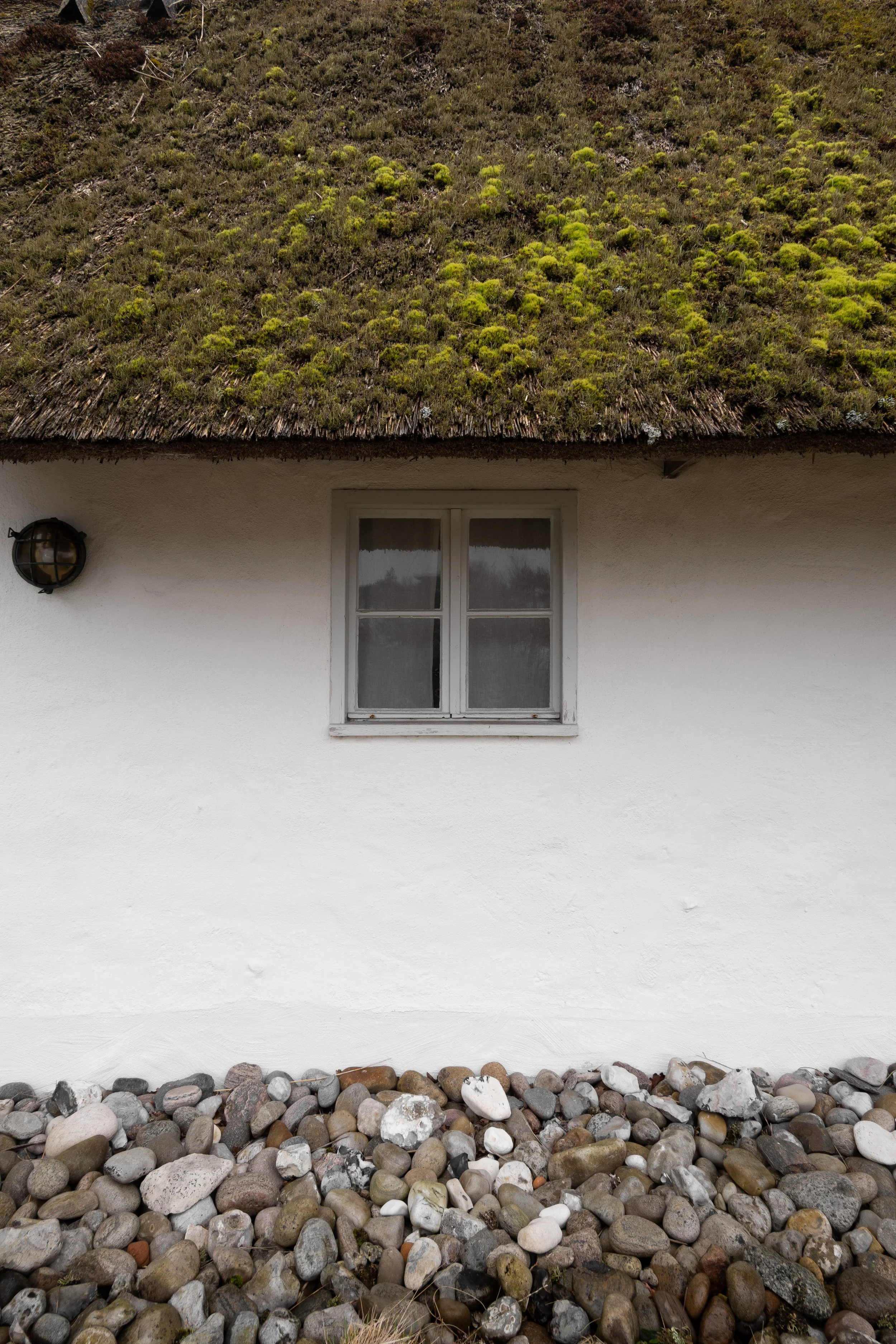
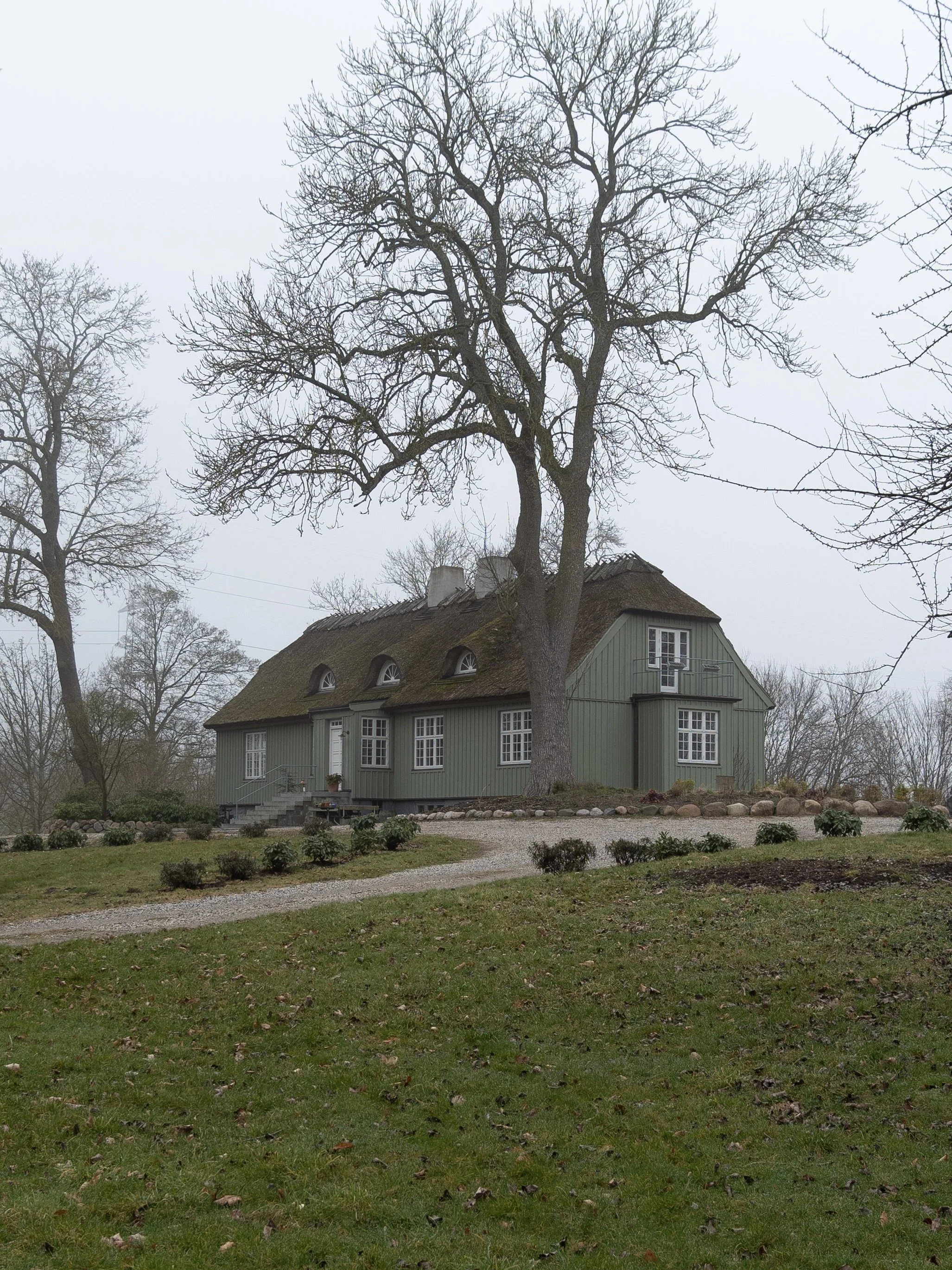
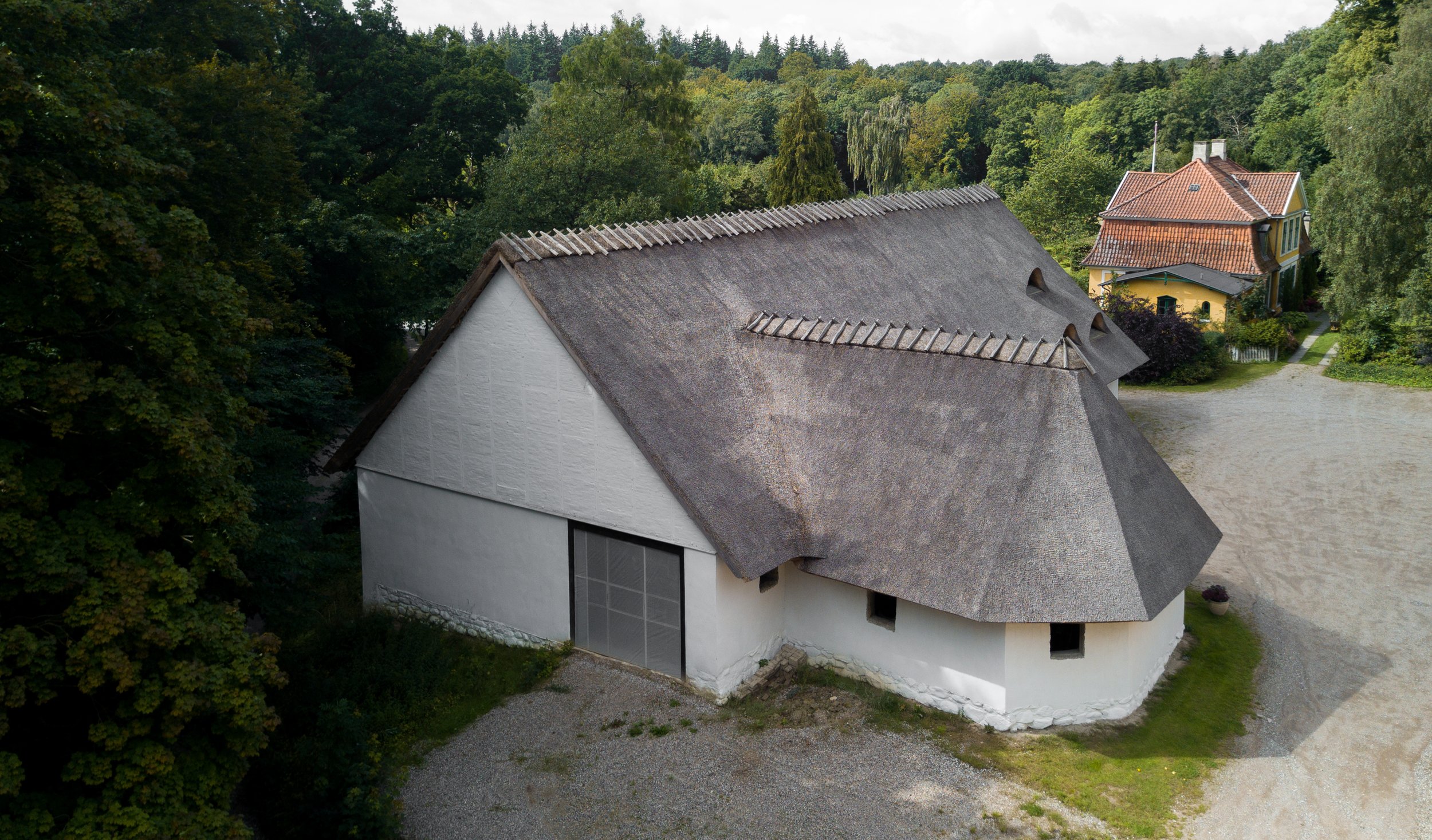
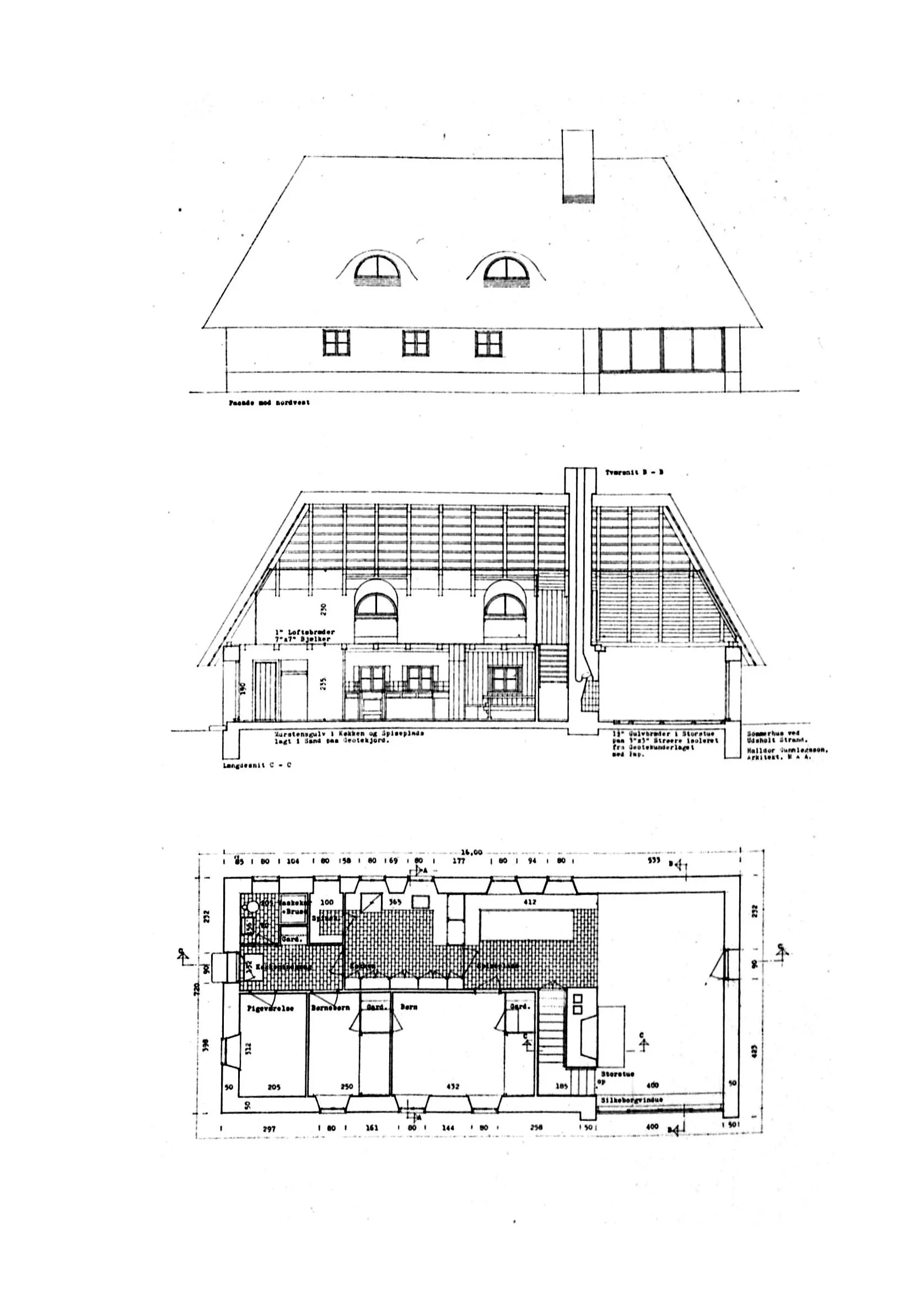
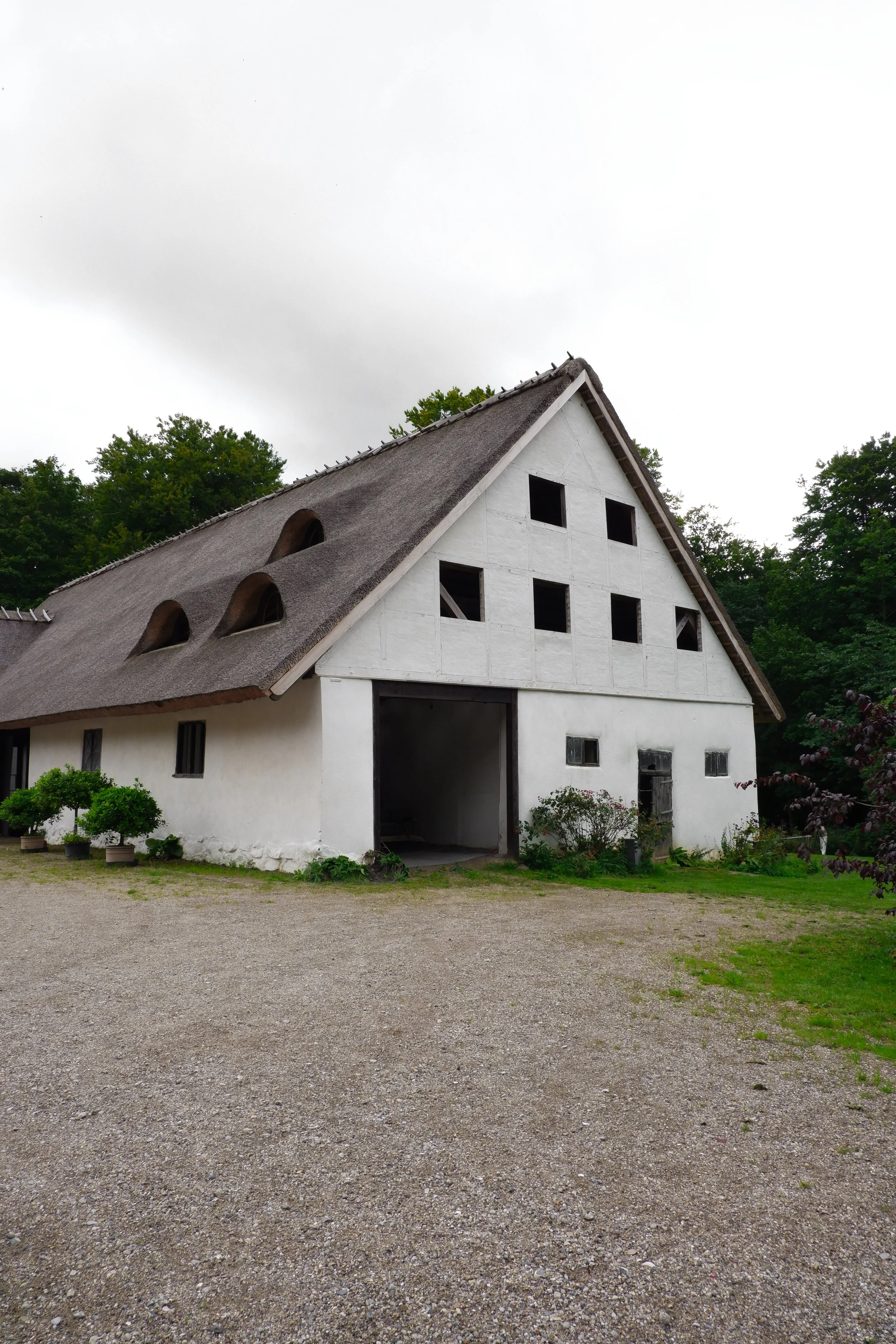
Across Denmark, examples can still be found of successful but partly forgotten high-quality buildings constructed from clay soil that remain in use today, such as Fairyhill in Nyrop, built in 1795.
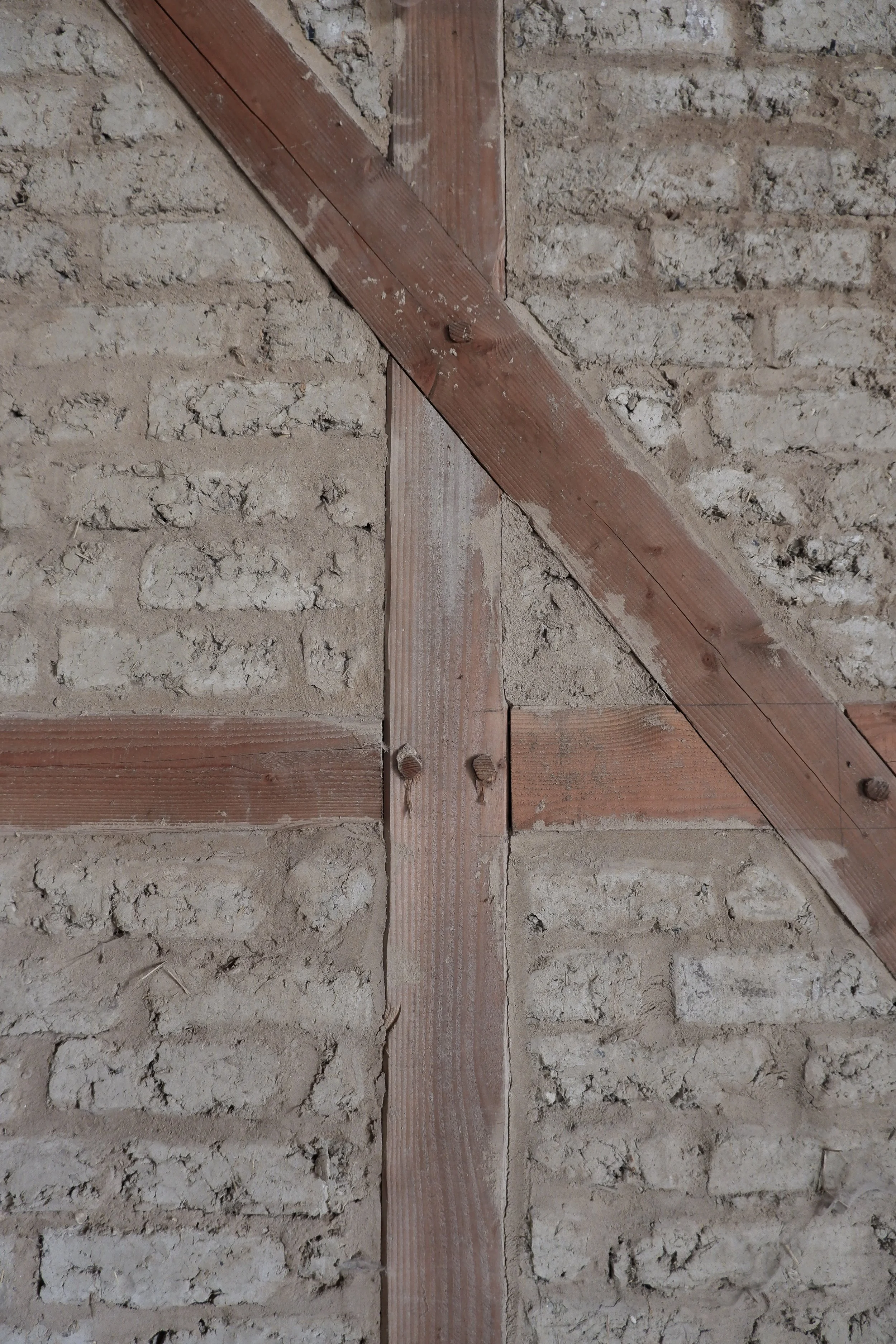
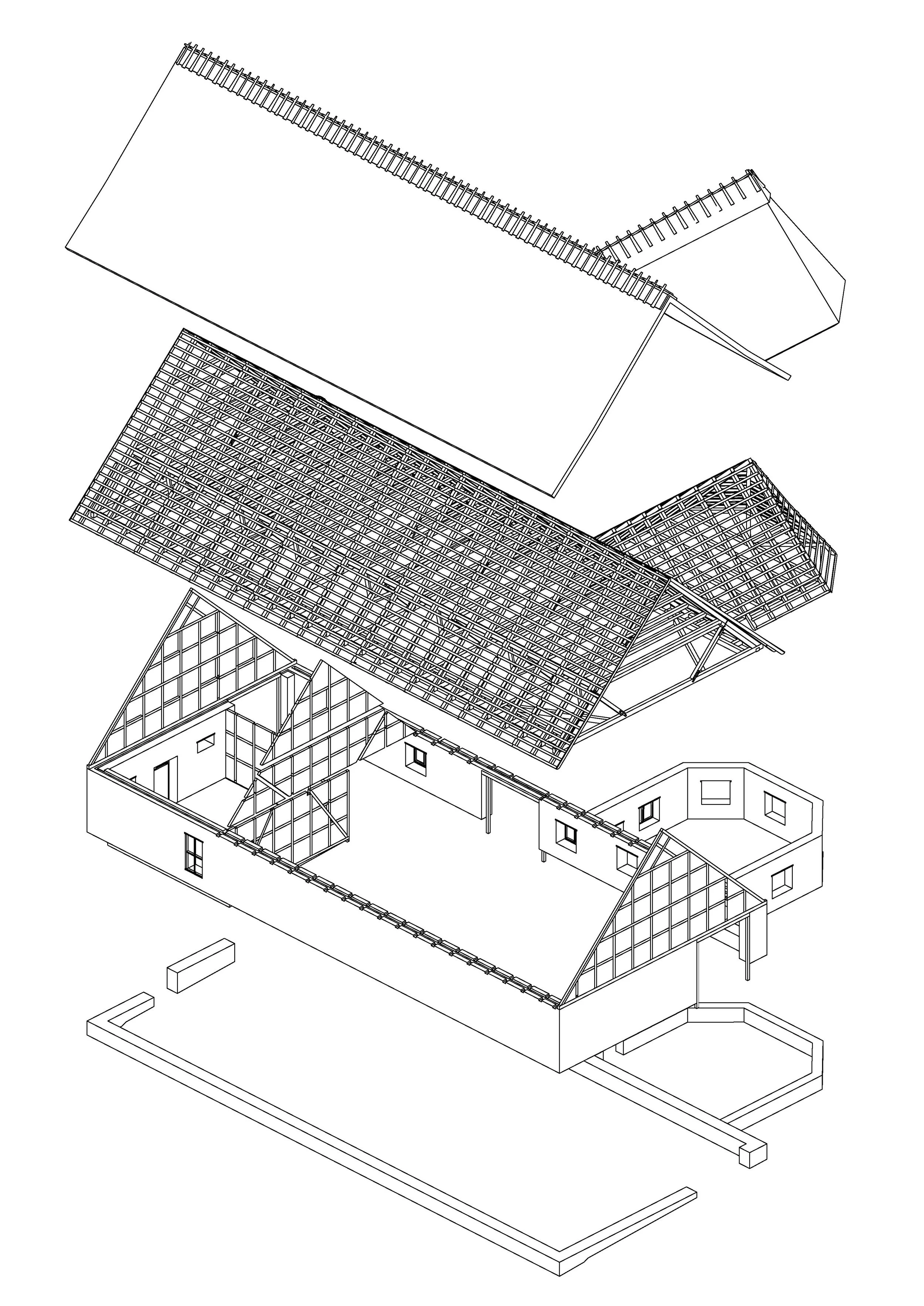
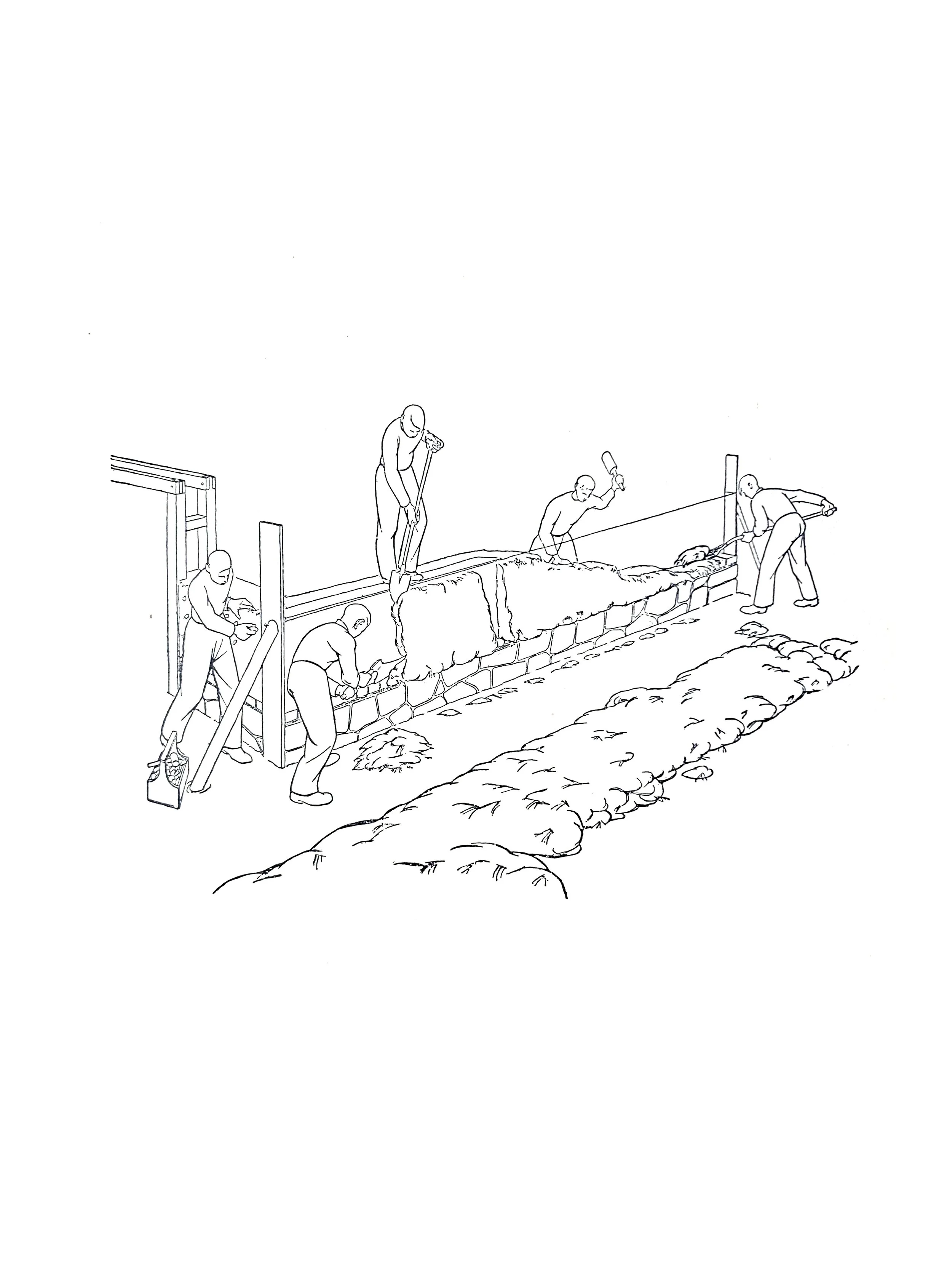
By mixing clay soil, gravel and straw, people have for hundreds of years constructed multi-storey buildings from an inexpensive, 100% reusable biogenic material: clay soil.
As the material itself offers solutions to many of the challenges currently facing the construction industry, one version of this building technique — rammed earth — has received increasing attention in recent years. Martin Rauch, among others, has invested significant resources in the development of prefabricated rammed-earth elements.
However, it has proven difficult to industrialise and export prefabricated clay-earth elements, since many of the material’s environmental advantages lie precisely in the fact that it does not need to be industrially processed or transported.
Attempts to recreate the same techniques here in Denmark have also produced poor results. This is mainly because our climate and clay soils differ from those found in Austria, Germany and Switzerland. But these differences can occur not only from country to country; they can also vary from one town to another.
It has therefore proven extremely difficult to develop a “recipe” that works in the same way everywhere, with every type of soil and in every climate. In order to use clay soil effectively as a building material, we must therefore once again respond to the specific conditions of each place and rely on the knowledge and experience already present.
The industrialisation and globalisation of the modern construction industry have brought many advantages. We have been able to build at an extremely rapid pace and, as a result, provide affordable housing for a very large number of people.
But this has also meant that the houses being built today are constructed in remarkably similar ways, regardless of where in the world they are built. Inevitably, this tendency has weakened the distinctiveness of place and made the typically slower and more expensive traditional crafts increasingly rare.
As a result, the clay-earth building culture that has been developed and tested in Denmark over hundreds of years is struggling to survive. Today, very few houses and farm buildings more than 200 years old remain outside museums, and a lack of knowledge about clay houses means that the buildings that do survive are being demolished at an alarming rate.
We therefore face the rapidly approaching loss of knowledge about an almost free, 100% reusable biogenic building material that has been used to construct houses capable of standing for hundreds of years without difficulty.
To counteract this, we need not only to register and document the houses that still exist before they all disappear, but also to put this knowledge to use. If clay soil is to be reintroduced into a contemporary Danish building culture, craftspeople must be able to train in these techniques — but, above all, they must be able to make a living from building with clay soil.
As demand for sustainably constructed buildings continues to grow, this is becoming an increasingly realistic possibility. The construction industry and contractors are likewise looking for new alternative materials and techniques.
In this context, inspiring examples that make use of clay soil play an important role in rebuilding confidence in the technique and can contribute to a greater understanding and knowledge of the material.
The needs of our time demand that we make use of every tool and every piece of knowledge available to us.
We have built sustainably for hundreds of years. We can do it again.